-
All Products
- Hydraulic Power Systems & Components
- Hydraulic Pumps & Accessories
- Hydraulic Motors & Accessories
- Hydrostatic Transmissions
- Cylinders & Accessories
- Steering Units & Accessories
- Hydraulic Valves & Accessories
- Ball Valves
- Check Valves
- Check Valves (Pilot-Operated)
- Counterbalance Valves (Overcenter Valves)
- Cushion Valves (Double Relief Valves)
- Directional Control Valves
- Flow Control Valves
- Flow Divider Valves
- Gate Valves
- Shop Logic Element Valves
- Needle Valves
- Plug Valves
- Pressure Reducing Valves
- Relief Valves
- Shop Sandwich Valves
- Premium Selector Valves
- Hydraulic Filters & Accessories
- Power Units
- System Accessories
- High Force Hydraulics
- Hydraulic Pumps & Accessories
- Pneumatic Power & Control
- Fluid Conveying
- Hose Products
- Tubing Products
- Piping Products
- Adapters
- Steel
- O-Ring Face Seal Braze Adapters
- O-Ring Face Seal To Straight Thread O-Ring
- O-Ring Face Seal To Pipe
- O-Ring Face Seal To 37° Flare
- O-Ring Face Seal To O-Ring Face Seal
- O-Ring Face Seal Accessories
- Pipe To Pipe
- Pipe to 37° Flare
- Pipe To Straight Thread O-Ring
- Pipe To Hose
- 37° Flare Union
- Straight Thread O-Ring to 37° Flare
- Straight Thread O-Ring to Straight Thread O-Ring
- Straight Thread O-Ring to Hose
- SAE Split Flange To 37° Flare
- SAE Split Flange To O-Ring Face Seal
- Braze & Weld to 37° Flare
- 42° Inverted Flare to 37° Flare
- Restrictor
- Metric to 37° Flare
- Metric to Pipe
- Metric
- BSPP to 37° Flare
- BSPP to Pipe
- BSPP to Metric
- BSPP to BSPT
- BSPP
- BSPT To Pipe
- BSPT To 37° Flare
- JIS
- JIS 30° Seat (BSPP Thread) To 37° Flare
- Komatsu, Kobelco
- Stainless Steel
- Brass
- Steel
- Hydraulic Quick Disconnects
- Miscellaneous Fluid Conveying Parts
- Performance Parts
- Hose
- Adapters
- Brake System Adapters
- Fuel System Components
- Couplings
- PRO CLAMP and Overbraid
- Accessories
- Reusable Fittings for AQP & Starlite Racing Hose
- Crimp Fittings for AQP & Starlite Racing Hose
- Fittings for AQP Socketless Hose
- Reusable Fittings for Aeroquip FBF A/C Hose
- Fittings for Teflon Racing Hose
- Reusable Fittings for AQP High Pressure Hose
- Assembly Equipment
- Hose Products
- Other Products
- Seals
- Control Cables
- Thread Sealants
- Gloves
- Hand Tools
- Pressure Washer Products for Industrial & Commercial Use
- Hose Reels
- Winches
- Peel Press Drive
- Hydraulic Fluids & Oils for Industrial Systems
- Industrial Chemical Maintenance Products
- Lubrication Equipment & Accessories
- Cable Hardware & Knobs
- Cable Remote Controls
- Industrial Corrosion Inhibitors
- Y Strainer
- Hydraulic Power Systems & Components
- Services
- Branch Locations
- Catalogs
- Quick Order
- Help
Understanding Hydraulic Pumps: How to Choose the Right One for Maximum Performance
Published April 02, 2025 | Last Updated January 19, 2026
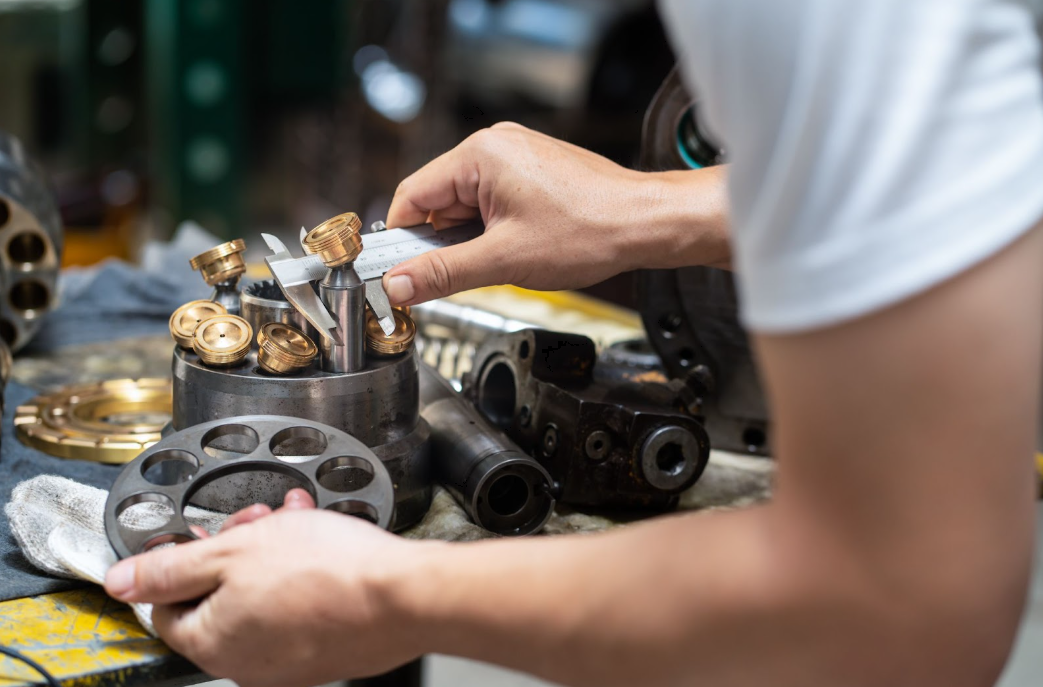
Choosing the Right Hydraulic Pump for Maximum Performance
Hydraulic pumps play a vital role in hydraulic systems by converting mechanical energy into hydraulic power. They are responsible for moving fluid to generate the force needed to operate machinery in industries like construction, agriculture, and manufacturing.
Choosing the right hydraulic pump is essential for ensuring optimal performance, reducing downtime, and extending the lifespan of equipment. The wrong pump can lead to inefficiencies, overheating, and unnecessary wear and tear on the system.
There are several types of hydraulic pumps, each designed for specific applications. This blog will cover the most common types, how they function, and how to determine the best option for your needs.
What Type of Pump is a Hydraulic Pump?
Hydraulic pumps convert mechanical power into hydraulic energy by moving fluid through a system, creating the necessary pressure to power hydraulic machinery. Unlike standard pumps that simply transfer fluids, hydraulic pumps generate the force required to drive mechanical operations in equipment such as excavators, forklifts, and industrial presses.
There are various types of hydraulic pumps, each suited for different applications. Understanding these options helps in selecting the right pump to maximize efficiency and longevity in your hydraulic system.
What Are the Three Main Types of Hydraulic Pumps?
Hydraulic pumps can be classified into three main types, each offering distinct benefits for different applications. These categories meet specific operational needs, ensuring optimal performance in various industries. Understanding the differences between these pump types is essential for selecting the right one for your hydraulic system.
Gear Pumps
Gear pumps are compact, cost-effective, and best suited for fixed-flow applications. They rely on interlocking gears to move hydraulic fluid, providing consistent pressure with minimal complexity. These pumps are commonly used in industrial and mobile equipment where simplicity and reliability are key.
Gear pumps are particularly useful in applications requiring steady, moderate pressure, such as agricultural machinery, forklifts, and construction equipment. They are also frequently utilized in fixed displacement systems where a consistent flow rate is required. However, they may not be ideal for high-pressure applications where more efficiency and precision are needed.
Vane Pumps
Vane pumps use rotating vanes to create fluid flow, offering smooth operation and moderate pressure output. They are widely used in mobile and industrial applications where efficiency and consistent performance are necessary.
Because vane pumps generate low noise and provide uniform flow, they are commonly used in material handling equipment, hydraulic presses, and automated industrial machinery. Many hydraulic vane pumps are also designed to handle higher speeds compared to gear pumps, making them suitable for applications requiring a consistent yet adjustable fluid flow.
Piston Pumps
Piston pumps deliver high efficiency and superior performance, which makes them ideal for heavy-duty applications such as construction equipment and mining machinery. These pumps can operate at high pressures and adapt to varying flow demands, enhancing system efficiency.
Due to their ability to handle high pressures, piston pumps are popularly used in high-power applications, including aerospace, metal forming, and injection molding. Many variable displacement piston pumps offer greater control over flow rates, making them ideal for applications where efficiency and adaptability are critical. They provide superior durability and energy efficiency compared to other types of pumps.
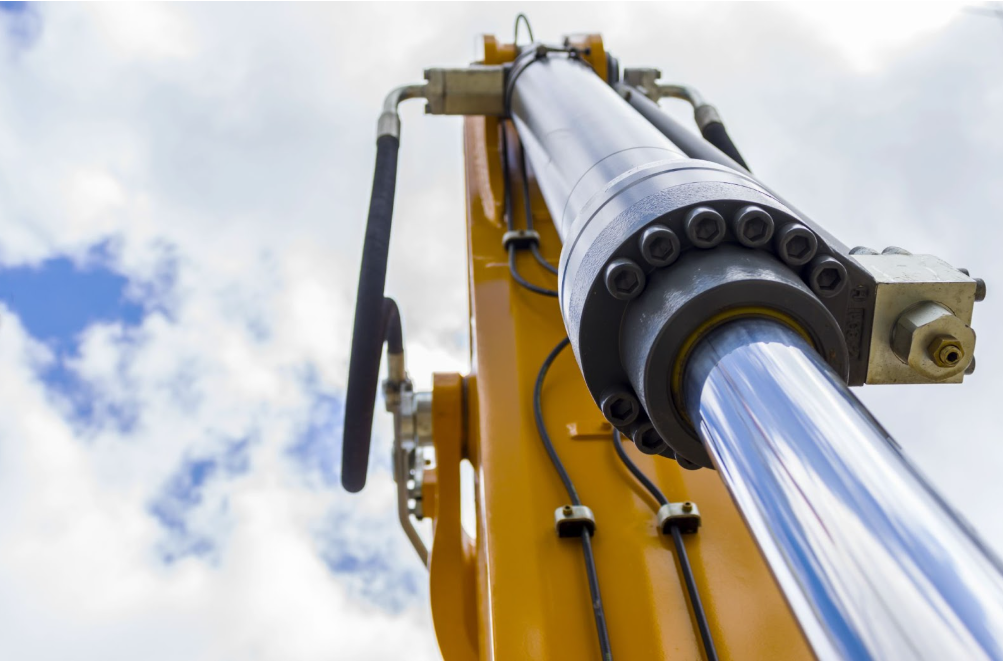
How Different Hydraulic Pumps Work
Understanding how hydraulic pumps function is essential for selecting the right one for your system. Each type of hydraulic pump operates differently, affecting factors such as efficiency, pressure capacity, and application suitability. Below is a breakdown of the most common types and how they work in various industries.
How Does a Single-Acting Hydraulic Pump Work?
A single-acting hydraulic pump moves fluid in only one direction, using external forces such as gravity or a return spring to complete the cycle. These pumps are ideal for lifting applications, including hydraulic jacks and presses.
Single-acting pumps are frequently used in automotive repair, heavy lifting, and other situations where controlled, one-way movement is necessary.
How Does a Double-Acting Hydraulic Pump Work?
Double-acting hydraulic pumps push and pull fluid in both directions, improving operational efficiency. These pumps are commonly used in industrial and mobile applications where bidirectional motion is needed.
Applications of double-acting pumps include hydraulic cylinders used in cranes, heavy machinery, and industrial automation, where a continuous and controlled motion is required.
How Does a Hydrostatic Pump Work?
Hydrostatic pumps operate based on fluid compression, efficiently transferring power to heavy-duty machinery like excavators and loaders. These pumps offer excellent precision and control.
Hydrostatic pumps are particularly effective in applications requiring variable speed and high torque, such as agricultural equipment, drilling rigs, and road construction machinery.
How Does a Centrifugal Pump Work?
Centrifugal pumps rely on rotational energy to move fluid, making them ideal for low-pressure, high-flow applications. While not always considered hydraulic pumps, they are used in water and cooling systems.
Centrifugal pumps are found in irrigation systems, wastewater treatment plants, and industrial cooling applications where moving large volumes of fluid efficiently is essential.
How a Variable Displacement Hydraulic Pump Works
Variable displacement pumps adjust their flow rate based on system requirements, improving efficiency in applications where fluid demand fluctuates. These pumps are ideal for energy-saving operations and high-precision applications.
Variable displacement pumps are used in aircraft, hydraulic power steering, and heavy-duty machinery where controlled power output is necessary.
How to Choose the Right Hydraulic Pump for Your Application
For those unsure which hydraulic pump best suits their needs, considering a few key factors can make the selection process easier. The right pump can improve system performance, reduce energy consumption, and extend the lifespan of equipment. Hydraulic Supply Company offers a range of hydraulic pump options designed for different industries and applications, ensuring customers can find the best match for their system requirements.
Choosing the right hydraulic pump is crucial to maintaining system efficiency, minimizing downtime, and ensuring long-term performance. The right pump can help reduce energy costs, improve machinery lifespan, and enhance overall reliability in industrial and mobile applications. However, selecting the best pump for your system requires a thorough understanding of key factors that influence performance.
Here are some critical considerations when choosing a hydraulic pump:
- Flow Rate Requirements: Assess the volume of fluid required to maintain efficient system operation. A pump with a flow rate that is too low may cause sluggish performance, while excessive flow can lead to unnecessary energy consumption and potential system wear.
- Operating Pressure: Ensure the pump is capable of handling the required pressure levels for your application. Some hydraulic systems demand high-pressure pumps for heavy-duty equipment, whereas others function optimally with moderate pressure levels.
- Fluid Compatibility: Verify that the pump materials are compatible with the hydraulic fluid used in your system. Factors such as viscosity, temperature range, and potential chemical reactions should be considered to prevent component degradation.
- Fixed vs. Variable Displacement: Determine whether a fixed displacement pump, which delivers a constant flow, or a variable displacement pump, which adjusts flow according to system demand, is better suited for your needs. Variable displacement pumps offer greater efficiency in applications with fluctuating loads.
- Environmental Considerations: Account for operating conditions such as temperature extremes, exposure to contaminants, and maintenance requirements. Some pumps are better suited for harsh environments, while others require more controlled conditions to function efficiently.
Get the Best Hydraulic Pumps at Hydraulic Supply Company
Selecting the right hydraulic pump is not just about performance—it directly impacts system longevity, energy efficiency, and operational reliability. Whether you're running industrial equipment, heavy machinery, or mobile hydraulic systems, having a dependable pump ensures consistent functionality and minimizes downtime. Choosing a high-quality pump prevents premature wear, costly repairs, and unexpected system failures.
If you need a hands-on consultation, visit one of our store locations to speak with a specialist. We proudly serve professionals in industries such as construction, agriculture, transportation, and manufacturing. Whatever your hydraulic needs, we have the expertise and inventory to help keep your system running at peak efficiency.
Our team of experts is available to help you find the perfect pump for your application, whether you need a high-performance piston pump or a cost-effective gear pump. Reach out to us with any questions or explore our hydraulic pump today.

Share on Facebook

Share on X

Share on Pinterest
Quick Add Product
Account Summary
Short Code:
Credit Limit:
Current Balance:
Recent Posts