-
All Products
- Hydraulic Power Systems & Components
- Hydraulic Pumps & Accessories
- Hydraulic Motors & Accessories
- Hydrostatic Transmissions
- Cylinders & Accessories
- Steering Units & Accessories
- Hydraulic Valves & Accessories
- Ball Valves
- Check Valves
- Check Valves (Pilot-Operated)
- Counterbalance Valves (Overcenter Valves)
- Cushion Valves (Double Relief Valves)
- Directional Control Valves
- Flow Control Valves
- Flow Divider Valves
- Gate Valves
- Shop Logic Element Valves
- Needle Valves
- Plug Valves
- Pressure Reducing Valves
- Relief Valves
- Shop Sandwich Valves
- Premium Selector Valves
- Hydraulic Filters & Accessories
- Power Units
- System Accessories
- High Force Hydraulics
- Hydraulic Pumps & Accessories
- Pneumatic Power & Control
- Fluid Conveying
- Hose Products
- Tubing Products
- Piping Products
- Adapters
- Steel
- O-Ring Face Seal Braze Adapters
- O-Ring Face Seal To Straight Thread O-Ring
- O-Ring Face Seal To Pipe
- O-Ring Face Seal To 37° Flare
- O-Ring Face Seal To O-Ring Face Seal
- O-Ring Face Seal Accessories
- Pipe To Pipe
- Pipe to 37° Flare
- Pipe To Straight Thread O-Ring
- Pipe To Hose
- 37° Flare Union
- Straight Thread O-Ring to 37° Flare
- Straight Thread O-Ring to Straight Thread O-Ring
- Straight Thread O-Ring to Hose
- SAE Split Flange To 37° Flare
- SAE Split Flange To O-Ring Face Seal
- Braze & Weld to 37° Flare
- 42° Inverted Flare to 37° Flare
- Restrictor
- Metric to 37° Flare
- Metric to Pipe
- Metric
- BSPP to 37° Flare
- BSPP to Pipe
- BSPP to Metric
- BSPP to BSPT
- BSPP
- BSPT To Pipe
- BSPT To 37° Flare
- JIS
- JIS 30° Seat (BSPP Thread) To 37° Flare
- Komatsu, Kobelco
- Stainless Steel
- Brass
- Steel
- Hydraulic Quick Disconnects
- Miscellaneous Fluid Conveying Parts
- Performance Parts
- Hose
- Adapters
- Brake System Adapters
- Fuel System Components
- Couplings
- PRO CLAMP and Overbraid
- Accessories
- Reusable Fittings for AQP & Starlite Racing Hose
- Crimp Fittings for AQP & Starlite Racing Hose
- Fittings for AQP Socketless Hose
- Reusable Fittings for Aeroquip FBF A/C Hose
- Fittings for Teflon Racing Hose
- Reusable Fittings for AQP High Pressure Hose
- Assembly Equipment
- Hose Products
- Other Products
- Seals
- Control Cables
- Thread Sealants
- Gloves
- Hand Tools
- Pressure Washer Products for Industrial & Commercial Use
- Hose Reels
- Winches
- Peel Press Drive
- Hydraulic Fluids & Oils for Industrial Systems
- Industrial Chemical Maintenance Products
- Lubrication Equipment & Accessories
- Cable Hardware & Knobs
- Cable Remote Controls
- Industrial Corrosion Inhibitors
- Y Strainer
- Hydraulic Power Systems & Components
- Services
- Branch Locations
- Catalogs
- Quick Order
- Help
Hydraulic Cylinder Types and What Sets Them Apart
Published February 24, 2026 | Last Updated March 25, 2026
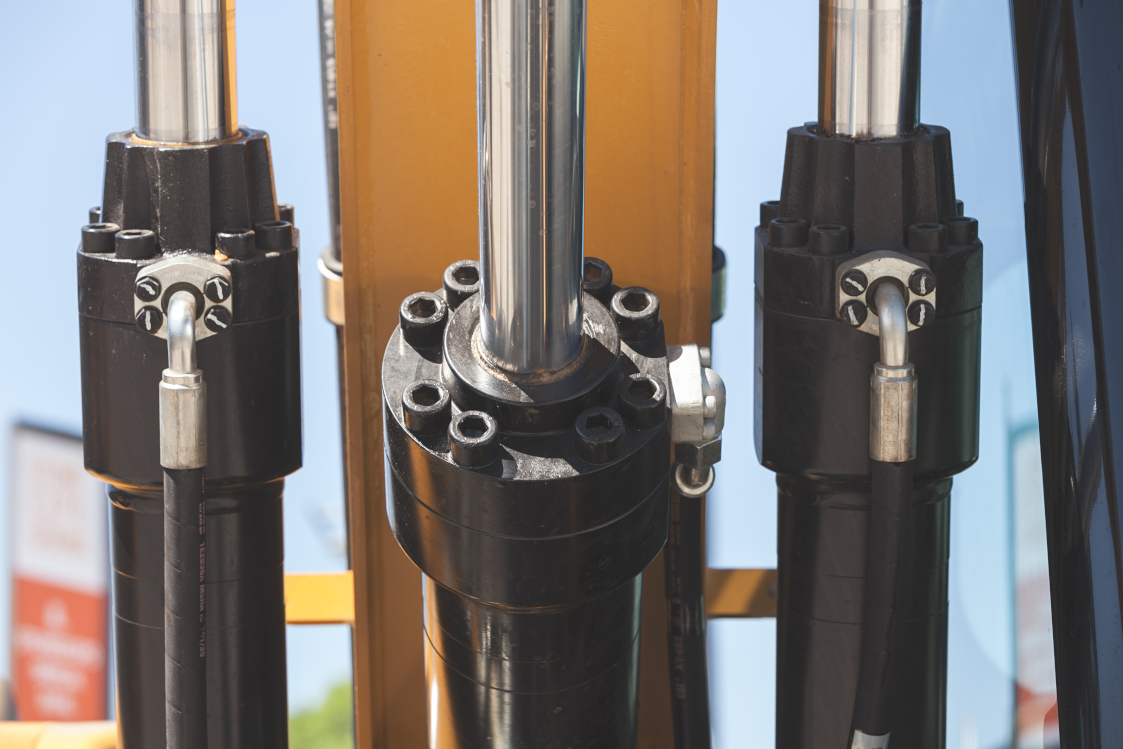
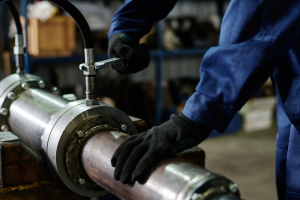
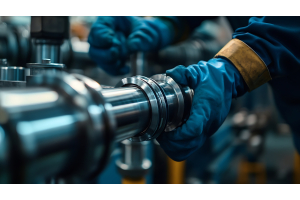
Hydraulic cylinders are the driving force behind countless pieces of equipment used every day in mobile and industrial operations. When a machine needs controlled linear motion, the cylinder is what converts hydraulic pressure into usable mechanical force, and the type selected directly affects how that equipment operates in the field.
Cylinder design influences how a system responds under load and how well it integrates within the equipment structure, and can also affect long-term durability. Selecting the wrong hydraulic cylinder type can shorten service life and reduce efficiency. This article breaks down the primary hydraulic cylinder types, how each one operates in real applications, and what you need to know to approach selection with confidence.
What Are Hydraulic Cylinders?
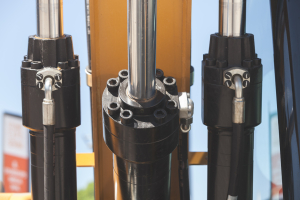
A hydraulic cylinder is a mechanical actuator that converts hydraulic pressure into linear force. When pressurized fluid enters the cylinder barrel, it pushes against a piston, and that movement drives the rod outward or pulls it inward, depending on the design. The result is a controlled, repeatable motion capable of moving heavy loads with precision.
These components show up wherever equipment needs a straight-line force. Construction machinery uses them to raise and lower booms and control bucket movement. Agricultural equipment relies on them to adjust implements and manage lifting functions. Industrial systems put them to work in presses and positioning mechanisms, while marine and transportation applications lean on them for steering, stabilization, and load handling.
Hydraulic cylinders operate under significant pressure, so proper sizing and configuration are pivotal. Everything from bore diameter and rod size to stroke length and mounting style will ultimately shape how a cylinder performs within a given system. Selecting the right hydraulic cylinder type from the start is what allows equipment to deliver consistent force while holding up over time.
The Different Types of Hydraulic Cylinders
Most hydraulic systems rely on a handful of core cylinder designs. Each serves a distinct role depending on how the equipment operates and what the system demands over time. Whether you’re replacing an existing unit or specifying components for a new system, selecting the correct hydraulic cylinder type starts with understanding how each functions under real working conditions.
Single-Acting Hydraulic Cylinders
A single-acting cylinder uses hydraulic pressure to move the piston in one direction, with retraction handled by gravity, a spring, or the weight of the load itself. Fluid enters through a single port and forces the rod outward, and when pressure is released, the cylinder relies on external forces to return it to its original position.
This type of hydraulic cylinder is common in applications where powered return motion simply isn’t needed. Dump trailers are a good example of this. The cylinder extends to raise the bed, and the weight of the bed does the work on the way back down. Certain agricultural attachments and lifting mechanisms also rely on this type of design to function. Single-acting cylinders offer a practical solution when simplicity and cost control are your main priorities. The design calls for fewer hydraulic connections, keeping the system complexity low and making maintenance more straightforward than a double-acting setup.
Double-Acting Hydraulic Cylinders
Unlike single-acting designs, double-acting cylinders use hydraulic pressure on both sides of the piston, with one port controlling extension and the other controlling retraction. This gives operators powered movement in both directions, which is why most mobile and industrial hydraulic systems rely on them.
A broader level of control is essential in equipment where positioning matters. On construction sites, these cylinders handle boom articulation and bucket movement. In manufacturing environments, they drive presses and positioning mechanisms that require consistent force. Marine systems also depend on double-acting designs to maintain responsive steering and stable operation under changing conditions. Modern hydraulic systems are designed around controlled bidirectional flow. Double-acting cylinders align with that architecture, allowing operators to fine-tune movement through valves and flow controls already built into the system.
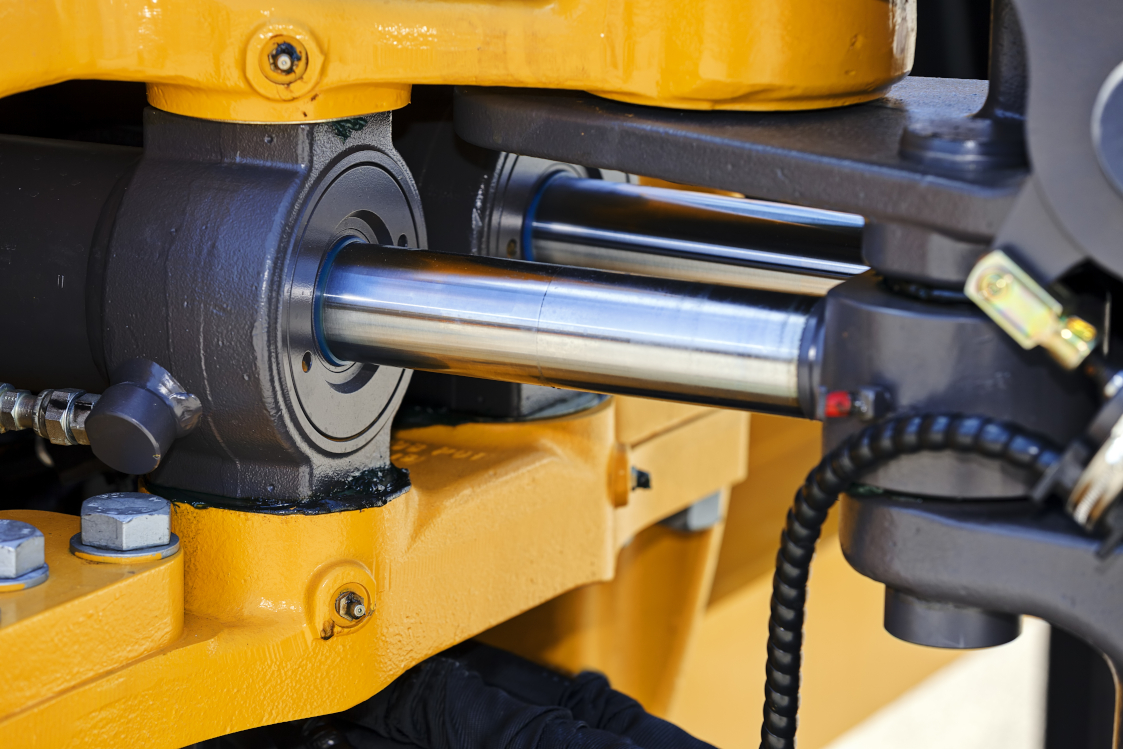
Telescopic Hydraulic Cylinders
Telescopic cylinders are used when equipment requires significant extension, but has limited space for installation. Instead of relying on a single rod, these cylinders are built with multiple nested stages that extend progressively as hydraulic pressure increases. As fluid enters the cylinder, the smallest stage extends first. Additional stages follow in sequence, allowing the cylinder to reach a much longer stroke than its retracted length would suggest. When pressure is released, the stages retract in reverse order, returning the unit to its compact form.
This design is common in dump trucks, where the bed must rise high enough to fully discharge material without taking up excessive chassis space. Similar configurations can also be found in refuse vehicles and certain agricultural trailers that depend on vertical lift in confined layouts. What sets telescopic hydraulic cylinder types apart is their ability to deliver long reach without requiring a long cylinder body. That combination of compact storage and extended travel makes them well-suited for applications where space and stroke requirements would otherwise conflict.
Tie-Rod Hydraulic Cylinders
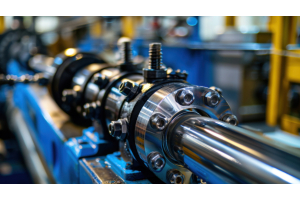
Tie-rod hydraulic cylinders are held together by threaded steel rods that compress the barrel and end caps into a strong, serviceable assembly. Where this design earns its reputation is in how straightforward it is to work on. When seals wear or internal components need attention, technicians can disassemble the cylinder without cutting or machining the housing, which makes in-house rebuilding a practical option.
This hydraulic cylinder type works well in industrial environments where equipment operates under controlled conditions and routine servicing is built into the maintenance schedule. Production machinery, automation systems, and facility-based equipment are common applications, partly because access for inspection and rebuilding matters in those settings. For operations that handle maintenance internally, the tie-rod construction can mean less downtime and a longer service life from each cylinder.
Welded Body Hydraulic Cylinders
Welded body hydraulic cylinders are built with the barrel welded directly to the end caps, creating an assembly that is both compact and highly rigid. Since there are no external tie rods, the overall profile stays small, which makes this design a natural fit for mobile equipment where space is tight and conditions can be unforgiving.
Construction and agricultural machines rely on welded cylinders because of what they have to face in the field. Elements like vibration, shifting loads, and uneven terrain can put real stress on the equipment, and this hydraulic cylinder type holds up well under those demands. It also allows the cylinder to fit within tighter equipment frames without giving up structural strength. The tradeoff is that welded units are not designed for frequent disassembly the way tie-rod cylinders are. Their durability comes from the integrity of the housing itself, and for applications where field performance matters more than rebuild access, that is usually the right trade to make.
Types of Hydraulic Cylinder Seals and Why They Matter
How well different hydraulic cylinder types hold up over time comes down, in large part, to their seals. Even a well-built cylinder can experience leakage or premature wear if the sealing system isn’t matched to the application. The right seal helps maintain pressure and fluid movement while protecting internal components from contamination.
Some common types of hydraulic cylinder seals include:
-
Rod seals, which prevent fluid from escaping the cylinder as the rod moves
-
Piston seals, which maintain pressure between internal chambers
-
Wiper seals, which keep dirt and debris from entering the barrel
-
Wear rings, which guide moving parts and reduce internal contact
-
Static seals, which contain pressure in non-moving connections
When seals are properly specified, they help extend service intervals and decrease unexpected downtime.
Choosing the Right Hydraulic Cylinder Types
Selecting the right hydraulic cylinder starts with understanding how the equipment actually operates. Taking the time to evaluate the application properly will help you avoid any premature wear, performance limitations, or unnecessary downtime.
When reviewing options, focus on the following factors:
-
Load requirements: The amount of force required determines bore size and pressure rating. Undersizing a cylinder can lead to performance issues, while oversizing may increase system strain and cost.
-
Stroke length: The required travel distance affects overall cylinder design. In tight spaces, a telescopic configuration may be more practical than a standard single-stage cylinder.
-
Mounting style: The way a cylinder attaches to equipment influences alignment and load distribution. Improper mounting can create side loading that shortens service life.
-
Operating pressure: The cylinder must be rated to handle the system’s maximum pressure without compromising safety or durability.
-
Environmental exposure: Conditions such as moisture, debris, corrosive materials, or constant vibration should influence material and seal selection.
-
Duty cycle: Equipment that cycles continuously requires a cylinder that can withstand repeated movement without accelerated wear.
Select the Right Cylinder with Confidence
Having the right hydraulic cylinder type can mean the difference between equipment that runs smoothly and equipment that struggles under load. When a cylinder needs to be replaced or specified for a new application, the details matter. Matching pressure capacity, mounting style, and operating conditions helps ensure the system performs as expected once it is back in service.
Hydraulic Supply Company works with customers every day to help them identify hydraulic cylinder solutions that fit their operating environments. Our inventory includes a broad selection of hydraulic cylinders and accessories, supported by a centralized distribution center and local solution centers staffed by experienced professionals. Whether you need help cross-referencing an existing unit or confirming specifications for a new setup, our team is available to assist. Explore our Hydraulic Cylinders & Accessories page to review available options.
Frequently Asked Questions
How Do I Know Which Type of Hydraulic Cylinder I Need?
Start by looking at how the equipment moves and what force it requires. Stroke length, operating pressure, mounting configuration, and available installation space all factor into the decision. When those conditions are matched to the right cylinder type, reliable performance follows.
How Do Hydraulic Cylinder Types Affect Equipment Performance?
Different hydraulic cylinder types influence how force is delivered and controlled within a system. The construction method and actuation style determine how the cylinder responds under pressure and how well it fits within the equipment. Getting that match right leads to smoother operation and more consistent output during daily use.
How Does Operating Pressure Influence Cylinder Selection?
Operating pressure determines how much force a cylinder can safely generate. If the cylinder isn’t rated for the system’s pressure demands, structural stress and premature failure become real risks. Confirming pressure capacity before installation is a step worth taking seriously.
Are All Hydraulic Cylinder Types Compatible with the Same Mounting Styles?
Not necessarily. The mounting configuration needs to align with the equipment frame and the intended motion path. Even when bore size and stroke are correct, the wrong mounting style can cause alignment issues that lead to uneven wear over time.
Can the Wrong Hydraulic Cylinder Type Reduce Equipment Lifespan?
Yes. A cylinder that isn’t suited to the application may experience excessive side loading, seal wear, or structural strain. Left unaddressed, those issues can shorten service intervals and drive up maintenance costs.
Can Hydraulic Cylinders Be Rebuilt Instead of Replaced?
In many cases, yes. If the barrel and rod are still in good condition, replacing seals and internal wear components can restore performance and extend service life. Whether rebuilding makes more sense than replacing usually comes down to cost, available downtime, and the overall condition of the cylinder.
What Role Do Seals Play in Different Hydraulic Cylinder Types?
Seals maintain internal pressure and prevent fluid leakage regardless of the cylinder design. That said, seal material and configuration still need to match the specific cylinder type and operating environment. The right seals keep performance consistent, while the wrong ones can accelerate wear and increase the chance of leakage.

Share on Facebook

Share on X

Share on Pinterest
Quick Add Product
Account Summary
Short Code:
Credit Limit:
Current Balance:
Recent Posts