-
All Products
- Hydraulic Power Systems & Components
- Hydraulic Pumps & Accessories
- Hydraulic Motors & Accessories
- Hydrostatic Transmissions
- Cylinders & Accessories
- Steering Units & Accessories
- Hydraulic Valves & Accessories
- Ball Valves
- Check Valves
- Check Valves (Pilot-Operated)
- Counterbalance Valves (Overcenter Valves)
- Cushion Valves (Double Relief Valves)
- Directional Control Valves
- Flow Control Valves
- Flow Divider Valves
- Gate Valves
- Shop Logic Element Valves
- Needle Valves
- Plug Valves
- Pressure Reducing Valves
- Relief Valves
- Shop Sandwich Valves
- Premium Selector Valves
- Hydraulic Filters & Accessories
- Power Units
- System Accessories
- High Force Hydraulics
- Hydraulic Pumps & Accessories
- Pneumatic Power & Control
- Fluid Conveying
- Hose Products
- Tubing Products
- Piping Products
- Adapters
- Steel
- O-Ring Face Seal Braze Adapters
- O-Ring Face Seal To Straight Thread O-Ring
- O-Ring Face Seal To Pipe
- O-Ring Face Seal To 37° Flare
- O-Ring Face Seal To O-Ring Face Seal
- O-Ring Face Seal Accessories
- Pipe To Pipe
- Pipe to 37° Flare
- Pipe To Straight Thread O-Ring
- Pipe To Hose
- 37° Flare Union
- Straight Thread O-Ring to 37° Flare
- Straight Thread O-Ring to Straight Thread O-Ring
- Straight Thread O-Ring to Hose
- SAE Split Flange To 37° Flare
- SAE Split Flange To O-Ring Face Seal
- Braze & Weld to 37° Flare
- 42° Inverted Flare to 37° Flare
- Restrictor
- Metric to 37° Flare
- Metric to Pipe
- Metric
- BSPP to 37° Flare
- BSPP to Pipe
- BSPP to Metric
- BSPP to BSPT
- BSPP
- BSPT To Pipe
- BSPT To 37° Flare
- JIS
- JIS 30° Seat (BSPP Thread) To 37° Flare
- Komatsu, Kobelco
- Stainless Steel
- Brass
- Steel
- Hydraulic Quick Disconnects
- Miscellaneous Fluid Conveying Parts
- Performance Parts
- Hose
- Adapters
- Brake System Adapters
- Fuel System Components
- Couplings
- PRO CLAMP and Overbraid
- Accessories
- Reusable Fittings for AQP & Starlite Racing Hose
- Crimp Fittings for AQP & Starlite Racing Hose
- Fittings for AQP Socketless Hose
- Reusable Fittings for Aeroquip FBF A/C Hose
- Fittings for Teflon Racing Hose
- Reusable Fittings for AQP High Pressure Hose
- Assembly Equipment
- Hose Products
- Other Products
- Seals
- Control Cables
- Thread Sealants
- Gloves
- Hand Tools
- Pressure Washer Products for Industrial & Commercial Use
- Hose Reels
- Winches
- Peel Press Drive
- Hydraulic Fluids & Oils for Industrial Systems
- Industrial Chemical Maintenance Products
- Lubrication Equipment & Accessories
- Cable Hardware & Knobs
- Cable Remote Controls
- Industrial Corrosion Inhibitors
- Y Strainer
- Hydraulic Power Systems & Components
- Services
- Branch Locations
- Catalogs
- Quick Order
- Help
Hydraulic System Maintenance Best Practices
Published February 18, 2026 | Last Updated February 24, 2026
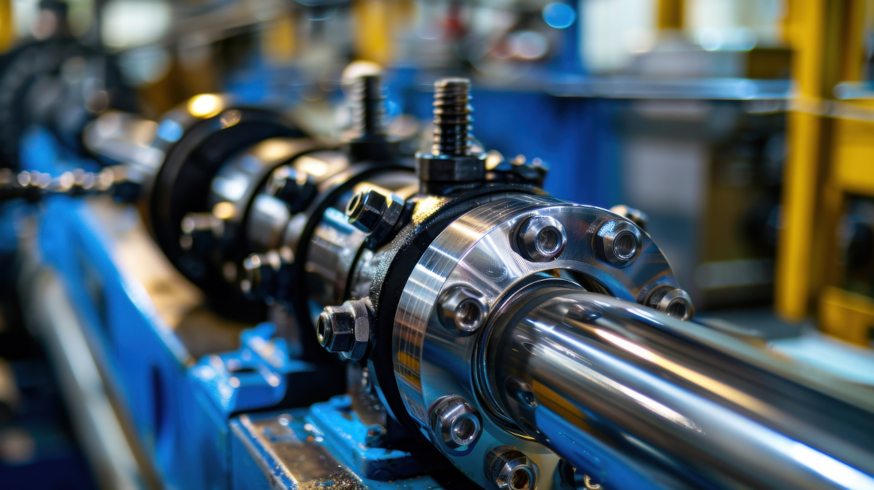
Hydraulic failures never happen at a good time. One moment, your system is running smoothly — the next, it’s leaking fluid, overheating, or grinding to a halt. Downtime doesn’t just stall productivity; it hits your bottom line. That’s why a strong hydraulic system maintenance strategy isn’t optional — it’s essential.
Whether you’re troubleshooting an excavator in the field or managing a fleet of industrial equipment, this guide breaks down practical, preventive maintenance tactics that protect your investment, reduce costly surprises, and keep your operation moving.
What Is Hydraulic System Maintenance?
Hydraulic system maintenance is the ongoing process of inspecting, servicing, and caring for the components that keep your fluid power systems operating efficiently. It’s a combination of regular preventive care and occasional reactive repairs, depending on how and where the system is used.
Preventive maintenance — routine tasks like fluid changes, filter swaps, and inspections — is critical to avoiding catastrophic failures and maintaining performance. While reactive repairs are sometimes unavoidable, they typically come with much higher costs and longer downtime. Whether you’re dealing with mobile equipment or industrial machinery, the maintenance of hydraulic systems should be planned, consistent, and thorough.
Why Preventive Hydraulic Maintenance Matters
Proactive maintenance is one of the most cost-effective ways to safeguard hydraulic assets. Clean hydraulic fluid, fully functional seals, properly calibrated pressure controls, and adequate cooling all contribute to system longevity and performance stability.
Contamination remains the most common threat to system integrity. Microscopic debris or moisture can damage internal surfaces, compromise seal integrity, and degrade fluid performance. Thermal issues, such as overheating, are frequently tied to inadequate filtration or fluid degradation. Internal leakage, while often subtle, gradually reduces system efficiency and can complicate diagnostics.
Establishing a consistent preventive maintenance routine is not only about reliability—it’s also a key strategy for controlling operating costs and maximizing return on capital equipment.
Essential Hydraulic System Maintenance Tasks
Hydraulic systems don’t need constant attention, but they do need the right kind of attention. The following are four critical maintenance areas to build into your regular schedule:
Hydraulic Fluid Inspection and Replacement
Hydraulic fluid serves as both a lubricant and a heat transfer medium. Over time, it can degrade chemically or become contaminated with particulates or water. These changes can result in decreased efficiency and accelerated wear.
Indicators that fluid replacement is needed include discoloration, a burnt odor, increased viscosity, or visible contaminants. Depending on the application and environment, fluid may need replacement every 1,000 to 2,000 operating hours. Follow OEM (Original Equipment Manufacturer) specifications, but also incorporate regular fluid sampling and lab analysis for optimal accuracy.
Filter Inspection and Replacement
Filters are the primary defense against fluid contamination. Clogged or saturated filters can result in pressure differentials, restricted flow, or unfiltered bypass. In systems without pressure indicators, filters should be replaced on a time-based or usage-based schedule.
Inspect filter elements for damage or saturation, and consider upgrading to high-efficiency filtration in demanding environments. Regular filter analysis can also provide insight into wear patterns and contamination sources.
Hose, Seal, and Connection Inspections
Flexible hoses, fittings, and seals are susceptible to degradation due to pressure fluctuations, chemical exposure, and environmental stress. Routine visual inspections should focus on identifying cracks, abrasions, hardening, or leaks.
Any compromise in sealing elements or connections can introduce air, lead to pressure loss, or create safety hazards. Prompt replacement of worn components is critical to maintaining system integrity.
Temperature and Pressure Monitoring
Monitoring thermal and pressure conditions ensures the system operates within safe and efficient ranges. Abnormalities in temperature or pressure can indicate deeper mechanical or hydraulic issues, including pump inefficiencies, blockages, or air entrainment.
Real-time monitoring systems are strongly recommended for high-demand operations. Where not available, manual readings should be recorded and benchmarked regularly.
How Often Should Hydraulic Systems Be Serviced?
Service intervals for hydraulic systems are not one-size-fits-all. They must be tailored to the specific demands of your equipment, the operating environment, and the intensity of use. Systems exposed to dust, moisture, high heat, or heavy-duty cycles naturally require more frequent maintenance than those in controlled, low-impact environments.
That said, there are proven best practices to use as a baseline:
-
Weekly: Conduct basic visual inspections. Look for leaks, check fluid levels, and ensure pressure and temperature readings remain within normal operating parameters.
-
Monthly: Inspect hoses, seals, and filters. Replace filters if differential pressure indicators show restrictions or if contaminant levels are high.
-
Quarterly: Test fluid for viscosity, contamination, and chemical degradation. Conduct system-wide checks on actuator performance and control responsiveness.
-
Annually: Perform a comprehensive evaluation of the entire system, including pump efficiency tests, reservoir condition, and full teardown inspections where applicable.
For high-risk or mission-critical operations, consider implementing condition-based monitoring systems. These tools provide real-time data on key performance metrics, enabling predictive maintenance and early issue detection. This reduces reliance on fixed schedules and aligns servicing with actual equipment condition.
It's also essential to consult the OEM’s service documentation, but experienced maintenance teams often find that combining OEM guidelines with field-based condition monitoring leads to superior performance and cost control.
For help building a preventive maintenance plan tailored to your application, contact us. Our specialists can assist in developing a schedule that aligns with your equipment lifecycle, usage patterns, and performance requirements.
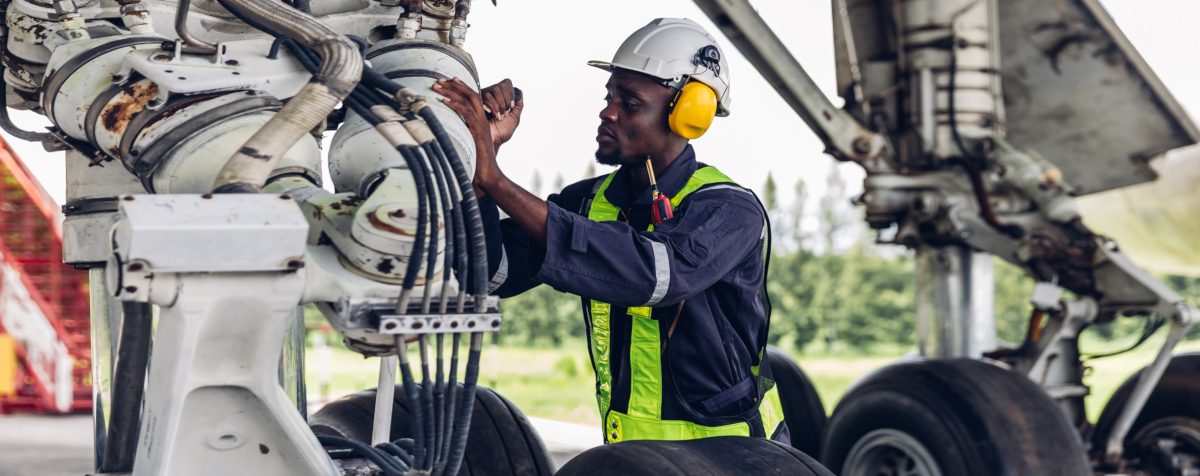
Common Signs a Hydraulic System Requires Maintenance or Repair
Hydraulic systems often give early warning signs before a major failure occurs—if you know what to look for. Subtle shifts in performance or behavior can indicate underlying issues, many of which can be resolved quickly when caught early. Ignoring them, however, can lead to component damage, production delays, and significantly higher repair costs.
One of the most common signs is a noticeable drop in system efficiency. If your equipment is moving slower than usual or struggling under typical loads, that could signal internal leakage, pump wear, or fluid degradation. Another red flag is overheating during normal operations, which might point to clogged filters, poor heat dissipation, or excessive internal friction.
Noise can also tell a story. High-pitched whining, knocking, or cavitation sounds are often linked to aerated fluid or pump issues, both of which require immediate attention. Fluid leaks around fittings or hose connections are not just housekeeping concerns—they often suggest seal wear or pressure inconsistencies that can worsen if left unaddressed.
Jerky, inconsistent actuator motion may indicate contamination, valve malfunction, or air trapped in the system. These issues compromise control precision and should be investigated before they escalate.
In all cases, the sooner these indicators are addressed, the more likely you are to avoid extended downtime or cascading failures. Documenting and reporting performance changes during daily operations helps technicians identify patterns and intervene before minor issues become major problems.
Cost Considerations for Hydraulic System Maintenance
Understanding the economics of hydraulic maintenance means looking beyond the immediate price of parts or service calls. Several key factors influence the total cost: the size and complexity of the system, the quality and availability of components, labor rates, the operating environment, and how frequently the equipment runs.
Preventive maintenance—while requiring an upfront investment in time, labor, and replacement consumables—delivers significant long-term savings. Scheduled fluid analysis, filter replacements, and routine inspections help identify potential problems before they escalate into full-blown equipment failures. This proactive approach reduces unscheduled downtime, extends component life, and improves operational predictability.
Reactive maintenance, by contrast, is typically far more expensive. When a system fails unexpectedly, businesses must often pay for expedited parts delivery, emergency labor, and production losses. These costs add up quickly, and in some industries, the downtime alone can outweigh the cost of the repair itself.
The more strategic approach is to evaluate the total cost of ownership (TCO). TCO includes not just the sticker price of maintenance activities, but also indirect costs like lost productivity, energy inefficiency, safety risks, and reduced equipment lifespan. Organizations that factor in TCO when designing their maintenance strategy consistently outperform those that rely solely on reactive repairs.
When to Call a Hydraulic Maintenance Specialist
While many tasks can be handled in-house, there are situations that warrant professional expertise:
-
Recurrent issues despite corrective action
-
Suspected internal leakage or pump degradation
-
System calibration or pressure adjustment
-
Fluid sampling and contamination analysis
Hydraulic System Maintenance Support from Hydraulic Supply Company
Hydraulic Supply Company isn’t just a source for components; we’re a technical partner committed to helping you maintain performance, minimize downtime, and extend equipment life. Our team works closely with professionals across industries to deliver solutions that go beyond parts replacement.
We provide full-service repair capabilities and a mobile response program through our on-site services team. We’re equipped to restore critical systems efficiently with minimal disruption.
From agriculture to construction, from manufacturing to marine, we combine industry-specific expertise with real-world experience to support your maintenance and repair strategies.
If you're looking for a long-term maintenance partner, not just a supplier, Hydraulic Supply Company is ready to support you.
Explore our services or contact our experts today!
Frequently Asked Questions
What Is Hydraulic System Maintenance?
Hydraulic system maintenance refers to the regular servicing, inspection, and performance monitoring of hydraulic components like pumps, hoses, valves, and fluid. It includes preventive actions such as fluid replacement, filter checks, and leak inspections to ensure safe and efficient system operation.
How Often Should a Hydraulic System Be Serviced?
Service frequency depends on usage, environment, and equipment type. As a general guideline: perform visual inspections weekly, check filters and hoses monthly, analyze fluid quarterly, and conduct a full system evaluation annually. High-demand systems may require more frequent attention.
What Causes Most Hydraulic System Failures?
The majority of failures result from fluid contamination, improper maintenance, overheating, and seal or hose degradation. Regular preventive maintenance significantly reduces these risks and extends component life.
How Do I Know If My Hydraulic System Needs Maintenance?
Signs include reduced power or speed, fluid leaks, erratic actuator movement, abnormal noise, and overheating. Any deviation from normal performance should trigger an inspection.
What’s the Difference Between Preventive and Reactive Hydraulic Maintenance?
Preventive maintenance is planned, systematic, and focused on avoiding failures through scheduled inspections and component replacement. Reactive maintenance occurs after a failure and is typically more costly and time-consuming.
How Much Does Hydraulic System Maintenance Cost?
Costs vary by system size and complexity, but preventive maintenance is significantly more cost-effective than emergency repairs. Investing in regular service helps avoid unplanned downtime and extends the life of your equipment.
Can I Perform Hydraulic Maintenance In-House, or Should I Call a Specialist?
Basic tasks like visual inspections and fluid top-offs can often be done in-house. More complex diagnostics, repairs, or rebuilds should be handled by qualified technicians to ensure system integrity and safety.

Share on Facebook

Share on X

Share on Pinterest
Quick Add Product
Account Summary
Short Code:
Credit Limit:
Current Balance:
Recent Posts