
-
All Products
- Hydraulic Power Systems & Components
- Hydraulic Pumps & Accessories
- Hydraulic Motors & Accessories
- Hydrostatic Transmissions
- Cylinders & Accessories
- Steering Units & Accessories
- Hydraulic Valves & Accessories
- Ball Valves
- Check Valves
- Check Valves (Pilot-Operated)
- Counterbalance Valves (Overcenter Valves)
- Cushion Valves (Double Relief Valves)
- Directional Control Valves
- Flow Control Valves
- Flow Divider Valves
- Gate Valves
- Shop Logic Element Valves
- Needle Valves
- Plug Valves
- Pressure Reducing Valves
- Relief Valves
- Shop Sandwich Valves
- Premium Selector Valves
- Hydraulic Filters & Accessories
- Power Units
- System Accessories
- High Force Hydraulics
- Hydraulic Pumps & Accessories
- Pneumatic Power & Control
- Fluid Conveying
- Hose Products
- Tubing Products
- Piping Products
- Adapters
- Steel
- O-Ring Face Seal Braze Adapters
- O-Ring Face Seal To Straight Thread O-Ring
- O-Ring Face Seal To Pipe
- O-Ring Face Seal To 37° Flare
- O-Ring Face Seal To O-Ring Face Seal
- O-Ring Face Seal Accessories
- Pipe To Pipe
- Pipe to 37° Flare
- Pipe To Straight Thread O-Ring
- Pipe To Hose
- 37° Flare Union
- Straight Thread O-Ring to 37° Flare
- Straight Thread O-Ring to Straight Thread O-Ring
- Straight Thread O-Ring to Hose
- SAE Split Flange To 37° Flare
- SAE Split Flange To O-Ring Face Seal
- Braze & Weld to 37° Flare
- 42° Inverted Flare to 37° Flare
- Restrictor
- Metric to 37° Flare
- Metric to Pipe
- Metric
- BSPP to 37° Flare
- BSPP to Pipe
- BSPP to Metric
- BSPP to BSPT
- BSPP
- BSPT To Pipe
- BSPT To 37° Flare
- JIS
- JIS 30° Seat (BSPP Thread) To 37° Flare
- Komatsu, Kobelco
- Stainless Steel
- Brass
- Steel
- Hydraulic Quick Disconnects
- Miscellaneous Fluid Conveying Parts
- Performance Parts
- Hose
- Adapters
- Brake System Adapters
- Fuel System Components
- Couplings
- PRO CLAMP and Overbraid
- Accessories
- Reusable Fittings for AQP & Starlite Racing Hose
- Crimp Fittings for AQP & Starlite Racing Hose
- Fittings for AQP Socketless Hose
- Reusable Fittings for Aeroquip FBF A/C Hose
- Fittings for Teflon Racing Hose
- Reusable Fittings for AQP High Pressure Hose
- Assembly Equipment
- Hose Products
- Other Products
- Seals
- Control Cables
- Thread Sealants
- Gloves
- Hand Tools
- Pressure Washer Products for Industrial & Commercial Use
- Hose Reels
- Winches
- Peel Press Drive
- Hydraulic Fluids & Oils for Industrial Systems
- Industrial Chemical Maintenance Products
- Lubrication Equipment & Accessories
- Cable Hardware & Knobs
- Cable Remote Controls
- Industrial Corrosion Inhibitors
- Y Strainer
- Hydraulic Power Systems & Components
- Services
- Branch Locations
- Catalogs
- Quick Order
- Help

John Lapham
Director of Engineering, Hydraulic Supply Company
Certified Fluid Power Engineer (CFPE)


About
John Lapham is the Director of Engineering at Hydraulic Supply Company, where he has led hydraulic system design, electro-hydraulic controls integration, and industrial automation projects for over 20 years. He holds four professional certifications from the International Fluid Power Society (IFPS) — the recognized credentialing authority for fluid power professionals in North America.
IFPS Professional Certifications
John holds the following IFPS credentials, representing progressive levels of verified competency in fluid power engineering:
| Certification | Credential | What it Demonstrates |
| Certified Fluid Power Engineer | CFPE (E) | Advanced engineering-level competency in fluid power system design, analysis, and specification |
| Hydraulic Specialist | HS | Specialized knowledge in hydraulic components, circuit design, and system troubleshooting |
| Pneumatic Specialist | PS | Specialized knowledge in pneumatic system design, component selection, and diagnostics |
| Specialist | S | Demonstrates foundational cross-functional competency in both hydraulic and pneumatic system technologies. |
John's CFPE credential can be verified through the IFPS Certified Professional Directory.
Holding multiple IFPS certifications positions John as a credentialed authority in hydraulic system design, pneumatic engineering, and industrial fluid power applications—credentials directly relevant to manufacturing, heavy equipment, and mobile machinery industries.
Applied Engineering Experience
John describes his career focus as machine controls engineering—automating machine motion using hydraulics and electrical systems. Throughout his career, he has designed and commissioned hydraulic systems for diverse applications, including:
- Designing steel mill processing equipment.
- Developing mobile construction and heavy equipment machinery.
- Automating high-speed manufacturing lines.
- Engineering industrial power units and motion control systems.
His hands-on troubleshooting experience spans systems operating from 1,500 to 6,000 PSI across industrial, manufacturing, and mobile equipment environments.
Core areas of expertise include:
-
Industrial hydraulic circuit design and analysis
-
High-pressure hydraulic system troubleshooting and diagnostics
-
Hydraulic hose, fitting, and adapter selection and specification
-
Pneumatic system design, component selection, and diagnostics
-
Electro-hydraulic motion control system integration
-
Controls development for new and retrofit hydraulic equipment
-
Fluid power system sizing and specification writing
Career Background
John joined Hydraulic Supply Company over two decades ago and has progressed through engineering roles of increasing responsibility:
-
Director of Engineering (2015–Present): Leads HSC's engineering team, overseeing complex hydraulic and pneumatic system design, machine controls integration, and customer application support.
-
Systems Applications Engineer (Prior to 2015): Responsible for hydraulic circuit design, system controls implementation, and engineered solutions for industrial and mobile equipment customers.
This career progression reflects sustained, hands-on experience solving real-world fluid power challenges across a wide range of industries and applications.
Education
John holds a Bachelor of Science in Mechanical Engineering Technology from Purdue University. His formal education provided foundational training in:
-
Mechanical systems and machine design
-
Thermodynamics and heat transfer
-
Applied fluid mechanics and hydraulics
-
Engineering problem-solving and analysis
These disciplines directly support his expertise in hydraulic and pneumatic system engineering.
Patented Innovation in Automation & Control Systems
John holds five U.S. patents in automation equipment control systems and robotic control platforms, reflecting sustained innovation in industrial automation design:
| Patent Number | Focus Area |
| US 6,442,451 |
Versatile robotic control platform design Issued: Aug 27, 2002 An improved, versatile robot control system comprises a general purpose computer with a general purpose operating system in electronic communication with a real-time computer subsystem. |
| US 6,675,070 |
Automation equipment control system Issued: Jan 26, 2004 An automation equipment control system comprises a general purpose computer with a general purpose operating system in electronic communication with a real-time computer subsystem. |
| US 6,922,611 |
Automation equipment control system Issued: Jul 26, 2005 An automation equipment control system comprises a general purpose computer with a general purpose operating system in electronic communication with a real-time computer subsystem. |
| US 8,050,797 |
Automation equipment control system Issued: Nov 1, 2011 An automation equipment control system comprises a general purpose computer with a general purpose operating system in electronic communication with a real-time computer subsystem. |
| US 8,473,202 |
Automation equipment control system Issued: Jun 25, 2013 An automation equipment control system comprises a general purpose computer with a general purpose operating system in electronic communication with a real-time computer subsystem. |
These patents address motion control challenges directly applicable to electro-hydraulic system automation and are publicly searchable through the USPTO Patent Database.
Why John's Expertise Matters
With five U.S. patents, four IFPS certifications, and over 20 years of applied hydraulic engineering leadership, John Lapham brings verified, real-world expertise to every article he authors for Hydraulic Supply Company.
His combination of
-
Certified credentials from the industry's leading professional organization
-
Patented innovation in automation and control systems
-
Decades of hands-on experience designing, troubleshooting, and optimizing fluid power systems
-
Leadership responsibility for HSC's engineering team and customer solutions
Establishes him as a trusted authority in
-
Certified hydraulic system design
-
Industrial fluid power troubleshooting
-
Electro-hydraulic motion control systems
-
Pneumatic system engineering
-
High-pressure hydraulic component selection
Questions about hydraulic system design, troubleshooting, or fluid power solutions?
Latest Contributions
-
Posted: March 30, 2026
 Read more »
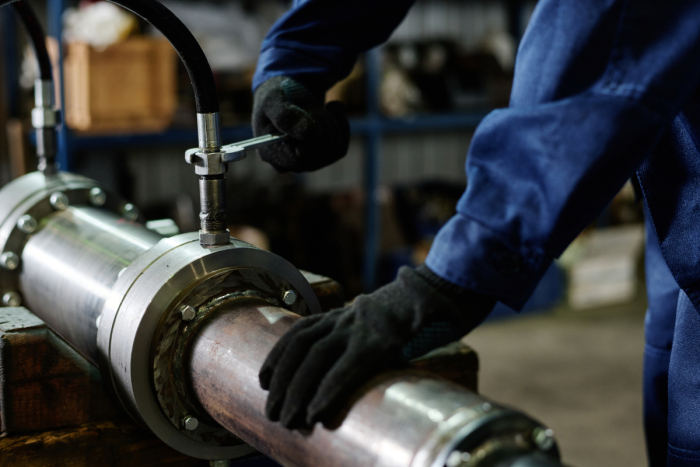
Replacing a hydraulic cylinder is usually straightforward once you know exactly what you’re working with. Whether your cylinder has begun leaking or it’s lost its lifting power, knowing your hydraulic cylinder brands can help get your equipment back up and running quickly.
Each manufacturer determines how a particular cylinder mounts to various types of equipment and what replacement options are on the table. When technicians can identify the brand and understand what specifications matter, they’re in a much better position to find a compatible replacement without dealing with the headache of unnecessary downtime. This article will walk you through how to recognize hydraulic cylinder manufacturers, how to track down a brand when markings are unclear, and what to look for before you install a replacement.
Why Hydraulic Cylinder Brands Are Important for Replacement
Hydraulic cylinders may seem interchangeable, but the brand behind them dictates how they were engineered and where they were
-
Posted: March 24, 2026Categories: HSC Solutions
 Read more »
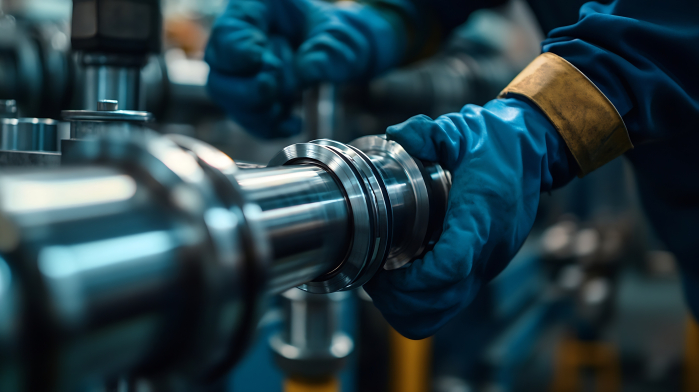
Replacing a hydraulic cylinder is not always as simple as swapping out one part for another. Before sourcing a replacement, it is important to confirm the cylinder’s measurements, mounting style, pressure requirements, and overall condition. Overlooking key details at this stage can lead to installation issues or shortened service life after the new cylinder is in place.
This guide covers what to understand before moving forward with a replacement, including how to identify the right cylinder, what measurements matter, and when repair may be a better option. The goal is to help you gather the right information before ordering so you can avoid delays, rework, or performance issues.
What to Check Before Replacing a Hydraulic Cylinder
Before removing the existing cylinder, it is worth evaluating how and why the failure occurred, since not every issue requires a full replacement. Leakage or reduced performance is often tied to seal degradation, whereas structural issues such as rod deformation
-
Posted: February 24, 2026Categories: HSC Q&A
 Read more »
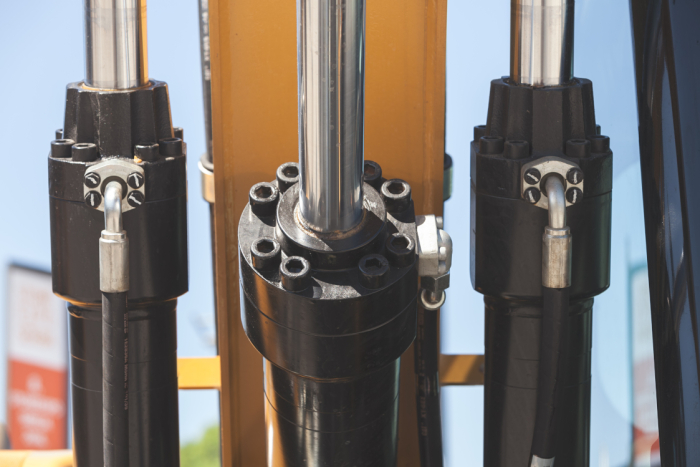
Hydraulic cylinders are the driving force behind countless pieces of equipment used every day in mobile and industrial operations. When a machine needs controlled linear motion, the cylinder is what converts hydraulic pressure into usable mechanical force, and the type selected directly affects how that equipment operates in the field.
Cylinder design influences how a system responds under load and how well it integrates within the equipment structure, and can also affect long-term durability. Selecting the wrong hydraulic cylinder type can shorten service life and reduce efficiency. This article breaks down the primary hydraulic cylinder types, how each one operates in real applications, and what you need to know to approach selection with confidence.
What Are Hydraulic Cylinders?
A hydraulic cylinder is a mechanical actuator that converts hydraulic pressure into linear force. When pressurized fluid enters the cylinder barrel, it pushes against a piston, and that movement drives the rod