-
All Products
- Hydraulic Power Systems & Components
- Hydraulic Pumps & Accessories
- Hydraulic Motors & Accessories
- Hydrostatic Transmissions
- Cylinders & Accessories
- Steering Units & Accessories
- Hydraulic Valves & Accessories
- Ball Valves
- Check Valves
- Check Valves (Pilot-Operated)
- Counterbalance Valves (Overcenter Valves)
- Cushion Valves (Double Relief Valves)
- Directional Control Valves
- Flow Control Valves
- Flow Divider Valves
- Gate Valves
- Shop Logic Element Valves
- Needle Valves
- Plug Valves
- Pressure Reducing Valves
- Relief Valves
- Shop Sandwich Valves
- Premium Selector Valves
- Hydraulic Filters & Accessories
- Power Units
- System Accessories
- High Force Hydraulics
- Hydraulic Pumps & Accessories
- Pneumatic Power & Control
- Fluid Conveying
- Hose Products
- Tubing Products
- Piping Products
- Adapters
- Steel
- O-Ring Face Seal Braze Adapters
- O-Ring Face Seal To Straight Thread O-Ring
- O-Ring Face Seal To Pipe
- O-Ring Face Seal To 37° Flare
- O-Ring Face Seal To O-Ring Face Seal
- O-Ring Face Seal Accessories
- Pipe To Pipe
- Pipe to 37° Flare
- Pipe To Straight Thread O-Ring
- Pipe To Hose
- 37° Flare Union
- Straight Thread O-Ring to 37° Flare
- Straight Thread O-Ring to Straight Thread O-Ring
- Straight Thread O-Ring to Hose
- SAE Split Flange To 37° Flare
- SAE Split Flange To O-Ring Face Seal
- Braze & Weld to 37° Flare
- 42° Inverted Flare to 37° Flare
- Restrictor
- Metric to 37° Flare
- Metric to Pipe
- Metric
- BSPP to 37° Flare
- BSPP to Pipe
- BSPP to Metric
- BSPP to BSPT
- BSPP
- BSPT To Pipe
- BSPT To 37° Flare
- JIS
- JIS 30° Seat (BSPP Thread) To 37° Flare
- Komatsu, Kobelco
- Stainless Steel
- Brass
- Steel
- Hydraulic Quick Disconnects
- Miscellaneous Fluid Conveying Parts
- Performance Parts
- Hose
- Adapters
- Brake System Adapters
- Fuel System Components
- Couplings
- PRO CLAMP and Overbraid
- Accessories
- Reusable Fittings for AQP & Starlite Racing Hose
- Crimp Fittings for AQP & Starlite Racing Hose
- Fittings for AQP Socketless Hose
- Reusable Fittings for Aeroquip FBF A/C Hose
- Fittings for Teflon Racing Hose
- Reusable Fittings for AQP High Pressure Hose
- Assembly Equipment
- Hose Products
- Other Products
- Seals
- Control Cables
- Thread Sealants
- Gloves
- Hand Tools
- Pressure Washer Products for Industrial & Commercial Use
- Hose Reels
- Winches
- Peel Press Drive
- Hydraulic Fluids & Oils for Industrial Systems
- Industrial Chemical Maintenance Products
- Lubrication Equipment & Accessories
- Cable Hardware & Knobs
- Cable Remote Controls
- Industrial Corrosion Inhibitors
- Y Strainer
- Hydraulic Power Systems & Components
- Services
- Branch Locations
- Catalogs
- Quick Order
- Help
Monthly Archives: March 2026
-
- March 30, 2026
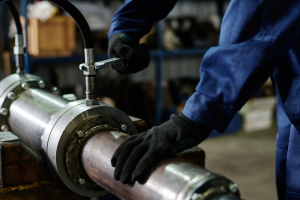
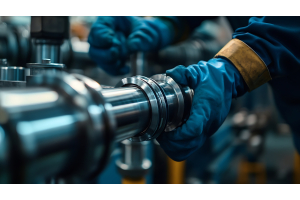
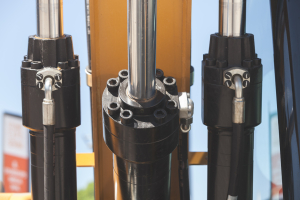
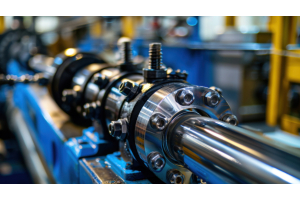
Replacing a hydraulic cylinder is usually straightforward once you know exactly what you’re working with. Whether your cylinder has begun leaking or it’s lost its lifting power, knowing your hydraulic cylinder brands can help get your equipment back up and running quickly.
Each manufacturer determines how a particular cylinder mounts to various types of equipment and what replacement options are on the table. When technicians can identify the brand and understand what specifications matter, they’re in a much better position to find a compatible replacement without dealing with the headache of unnecessary downtime. This article will walk you through how to recognize hydraulic cylinder manufacturers, how to track down a brand when markings are unclear, and what to look for before you install a replacement.
Why Hydraulic Cylinder Brands Are Important for Replacement
Hydraulic cylinders may seem interchangeable, but the brand behind them dictates how they were engineered and where they were
-
- March 24, 2026
Replacing a hydraulic cylinder is not always as simple as swapping out one part for another. Before sourcing a replacement, it is important to confirm the cylinder’s measurements, mounting style, pressure requirements, and overall condition. Overlooking key details at this stage can lead to installation issues or shortened service life after the new cylinder is in place.
This guide covers what to understand before moving forward with a replacement, including how to identify the right cylinder, what measurements matter, and when repair may be a better option. The goal is to help you gather the right information before ordering so you can avoid delays, rework, or performance issues.
What to Check Before Replacing a Hydraulic Cylinder
Before removing the existing cylinder, it is worth evaluating how and why the failure occurred, since not every issue requires a full replacement. Leakage or reduced performance is often tied to seal degradation, whereas structural issues such as rod deformation
Quick Add Product
Account Summary
Short Code:
Credit Limit:
Current Balance:
Recent Posts